At a time when many sellers market oil as “wooden chekku oil,” consumers are paying a premium for oils produced through traditional methods at the Gandhigram University unit in Dindigul. Gingelly oil is sold at ₹520 a litre, groundnut oil at ₹180 for 500 ml, and coconut oil at ₹345 for 500 ml.
The unit extracts oil using a traditional rotary chekku made of vaagai wood. Earlier, bullocks turned the rotary; today, a motor does the work.
Palm jaggery and molasses are used for gingelly oil, while sulphur-free copra is used for coconut oil. These practices raise production costs and reduce output.
Demand for wooden chekku oil persists because consumers believe that crushing in an iron rotary generates more heat. However, some sellers crush oil only in iron rotaries and sell it as “wooden chekku oil” at higher prices. Reportedly, some units have faced declining sales and closure after consumers became aware of such practices.
Loganathan, showroom manager of the Erode Sarvodaya Sangam, said: “Consumers give priority to quality over price. Oils genuinely extracted through the wooden chekku method have steady buyers. Since Sarvodaya sangams and cooperative societies sell quality chekku oil, consumer trust has increased.”
Upper-middle-class and affluent households, along with health-conscious consumers, are the main buyers of such oils. For “wooden chekku” to remain more than a marketing label, producers must disclose the raw-material source, extraction method and type of chekku used. Only then can genuine producers retain consumer confidence and protect the credibility of this traditional industry.
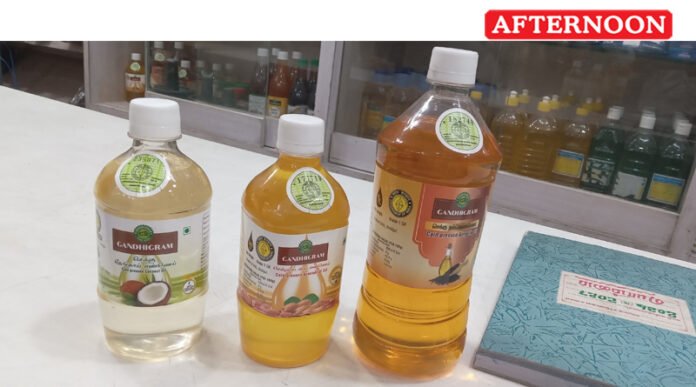
Wooden Chekku Oil: Trust beyond price
Must Read

Naam Tamilar Candidate Karthika arrested in Dharapuram by-election cases
Naam Tamilar Katchi candidate Karthika, who contested the Dharapuram Assembly by-election, was arrested by Dharapuram police at her residence in Vilankurichi, Coimbatore, in connection...